
Published June 22, 2026
Do I Need an Inspection on a New Build?

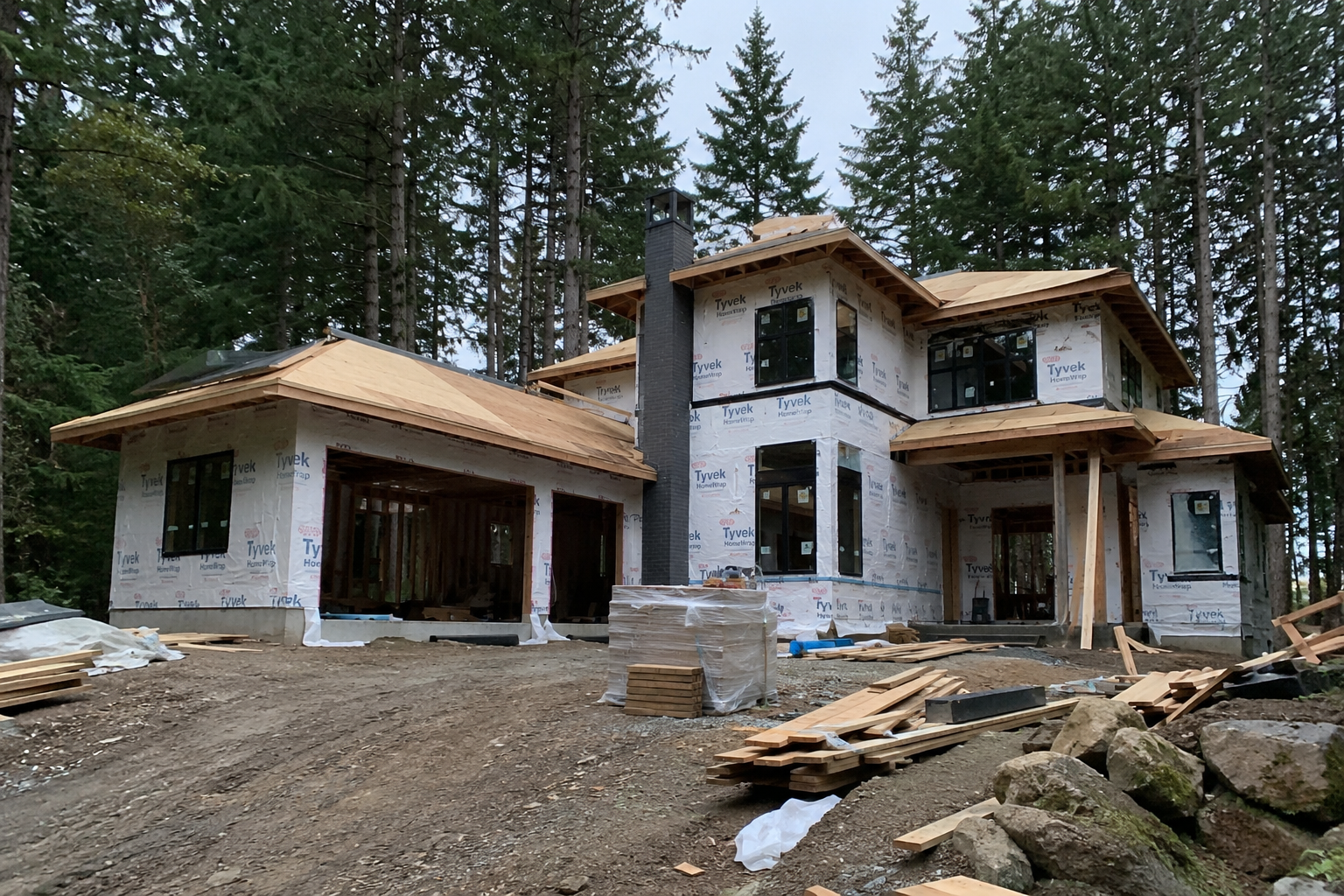
Buying a brand-new home is one of the most exciting things you can do. Fresh everything, no one else's wear and tear, and the peace of mind that comes with knowing it was built just for you. It's a great option — and one we love helping buyers navigate.
One question that comes up a lot with new construction: Do I really need an inspection if the home is brand new?
It's a fair question. And the answer is yes — but not because there's anything to be afraid of. Here's the full picture.
New Builds Are Built Well — And Still Worth Inspecting
Modern construction is held to high standards. Your builder goes through multiple code inspections throughout the process — framing, electrical, plumbing, and a final sign-off before closing. Those checkpoints exist for good reason and they do their job.
That said, new homes are also built quickly, often by multiple subcontractors working simultaneously across many projects. Even with the best teams and intentions, small things can get missed. A duct connection that isn't fully sealed. A window that doesn't quite latch. Grading around the foundation that needs a slight adjustment.
These aren't scary problems — they're normal, fixable things. The key is catching them before you move in rather than after.
The Builder's Inspector vs. Your Inspector
Here's something worth understanding as you go through the process: your builder will have their own inspections and sign-offs throughout construction. Those are required and important.
But their inspector's job is to make sure the home meets code. A third-party inspector you hire works exclusively for you — and they're looking at everything through the lens of your best interest as the buyer. It's a different set of eyes with a different goal, and having both is what gives you full confidence going into closing.
What They'll Check
A third-party inspector walking through a new build will look at things like:
- Roof, attic ventilation, and flashing details
- Electrical panel, outlets, and GFCI protection
- Plumbing connections and water pressure
- HVAC installation and airflow throughout the home
- Foundation grading and drainage
- Window and door seals and operation
- Insulation coverage
Most of the time, findings on a new build are minor. But having the documentation gives you confidence — and if something does need attention, you have it in writing to bring to your builder before closing.
A Pro Move: The Phase Inspection
If you're buying a home that's still under construction, you have an option that resale buyers don't — a phase inspection. This means bringing in a third-party inspector at key stages of the build rather than just at the end.
The most valuable stage is the pre-drywall inspection — right before the walls close up. This is when electrical, plumbing, insulation, and framing are all visible and easy to address. Once the drywall goes up, those systems are hidden and much harder to access.
It's a small extra step that gives you a really complete picture of your home from the ground up.
If Something Is Found, Builders Are Usually Great About It
One of the genuine advantages of new construction is that builders are motivated to get things right before closing. They care about their reputation, their warranty, and your satisfaction. If your inspector finds something that needs attention, you bring it to the builder with documentation and negotiate a remedy, before you ever move in.
That's actually one of the better positions you can be in as a buyer.
The Bottom Line
New construction is a wonderful option, and an inspection isn't a sign that something is wrong — it's just a smart part of the process. Think of it the same way you'd think about a final walkthrough or a title search. It's one more layer of protection that gives you full confidence on closing day.
We love helping buyers through the new construction process and are happy to answer any questions along the way.
📞 Thinking about a new build? Let's talk — Gregory Home Team is here to help.

Sherri Gregory
CEO | Principal Broker | Gregory Home Team | Keller Williams Realty | PLACE
or another way