
Published June 30, 2026
What is a Home Warranty?

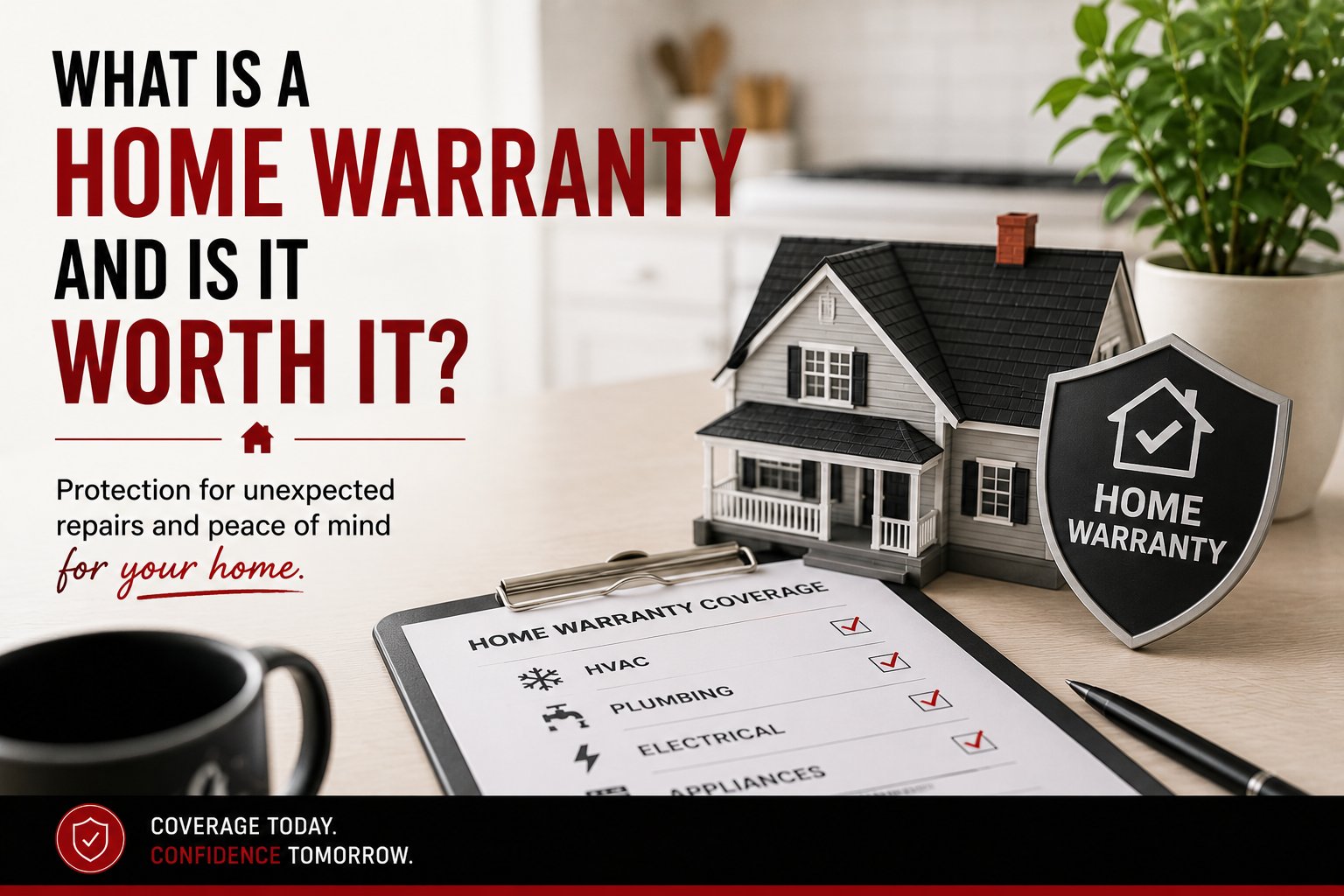
At some point during the home buying or selling process, you'll probably hear the term home warranty come up. Maybe it's offered as part of a negotiation, maybe a friend mentioned theirs, or maybe you've just seen it as a line item and aren't quite sure what it covers. Here's a clear breakdown of what a home warranty actually is and how to think about whether it makes sense for your situation.
What Is a Home Warranty?
A home warranty is a service contract that covers the repair or replacement of major home systems and appliances when they break down due to normal wear and tear. This typically includes things like your HVAC system, water heater, plumbing, electrical system, and major appliances such as your refrigerator, oven, dishwasher, and washer and dryer.
It's important to understand that a home warranty is different from homeowners insurance. Homeowners insurance covers damage from events like fire, storms, or theft. A home warranty covers the everyday breakdown of systems and appliances simply from age and regular use.
How Does It Work?
If something covered under your warranty breaks down, you contact the warranty company rather than calling a repair company yourself. They send out a contractor from their network to diagnose the issue, and depending on the problem, they either repair or replace the item.
You typically pay an annual premium for the warranty itself, plus a service call fee each time you use it, which is usually somewhere between $75 and $125. The specifics vary depending on the provider and the plan you choose.
Who Typically Pays for a Home Warranty?
This varies by transaction. Sometimes the seller purchases a home warranty as part of the sale to provide buyers with added peace of mind, especially if the home has older systems or appliances. Other times a buyer requests one as part of negotiations, or purchases one independently after closing if they want the added protection.
It's also something sellers occasionally use during the listing period to protect themselves in case something breaks while the home is on the market.
What Are the Benefits?
Predictable costs. Instead of facing a surprise repair bill, you pay a known annual premium and a smaller service fee when something goes wrong.
Peace of mind for older systems. If a home has an aging HVAC system, water heater, or appliances, a warranty can offer reassurance that if something fails shortly after you move in, you're not facing the full cost alone.
Convenience. You don't have to research and vet your own contractor when something breaks. The warranty company coordinates that for you.
What Are the Limitations?
Coverage has exclusions. Most warranties have specific terms about what is and isn't covered, and pre-existing conditions or improper maintenance can sometimes be excluded. It's worth reading the contract closely rather than assuming everything is included.
You don't choose your contractor. The warranty company typically sends out their own network of contractors, which means less control over who comes to your home and how quickly they can get there.
Caps on coverage. Some plans have maximum payout limits per item or per year, which means a major repair or replacement could still leave you with some out of pocket cost.
It's not a guarantee against all issues. A home warranty doesn't cover everything, and some homeowners find that the value they get out of it depends heavily on whether they actually end up using it during the coverage period.
Is It Worth It?
This really depends on your specific situation. A few things worth considering:
The age and condition of the home's systems. If a home has newer appliances and a recently updated HVAC system, the chances of needing the warranty within the first year are lower. If the systems are older, the odds of using it go up.
Your comfort with unexpected expenses. Some buyers like the predictability of a known annual cost rather than the uncertainty of a surprise repair bill. Others would rather handle repairs as they come up and choose their own contractors.
Whether it's already being offered. If a seller is including a home warranty as part of the sale at no cost to you, there's generally little downside to accepting it. If you're considering purchasing one independently, it's worth weighing the annual cost against the likelihood you'll actually need it.
The Bottom Line
A home warranty isn't a requirement, and it isn't right or necessary for every situation. But it can offer real value and peace of mind, especially for buyers moving into a home with older systems or appliances. The key is understanding exactly what's covered, what isn't, and whether the cost makes sense for your specific home and comfort level.
If you're navigating an offer or a negotiation and want to know whether a home warranty makes sense for your situation, we're happy to talk through the details with you.
📞 Have questions about home warranties or anything else in the buying or selling process? Gregory Home Team is here to help.

Sherri Gregory
CEO | Principal Broker | Gregory Home Team | Keller Williams Realty | PLACE
or another way